Incremental RTS Units Hub & Tier Lists
Compare early staples, late archetypes, and build paths that still scale after launch.
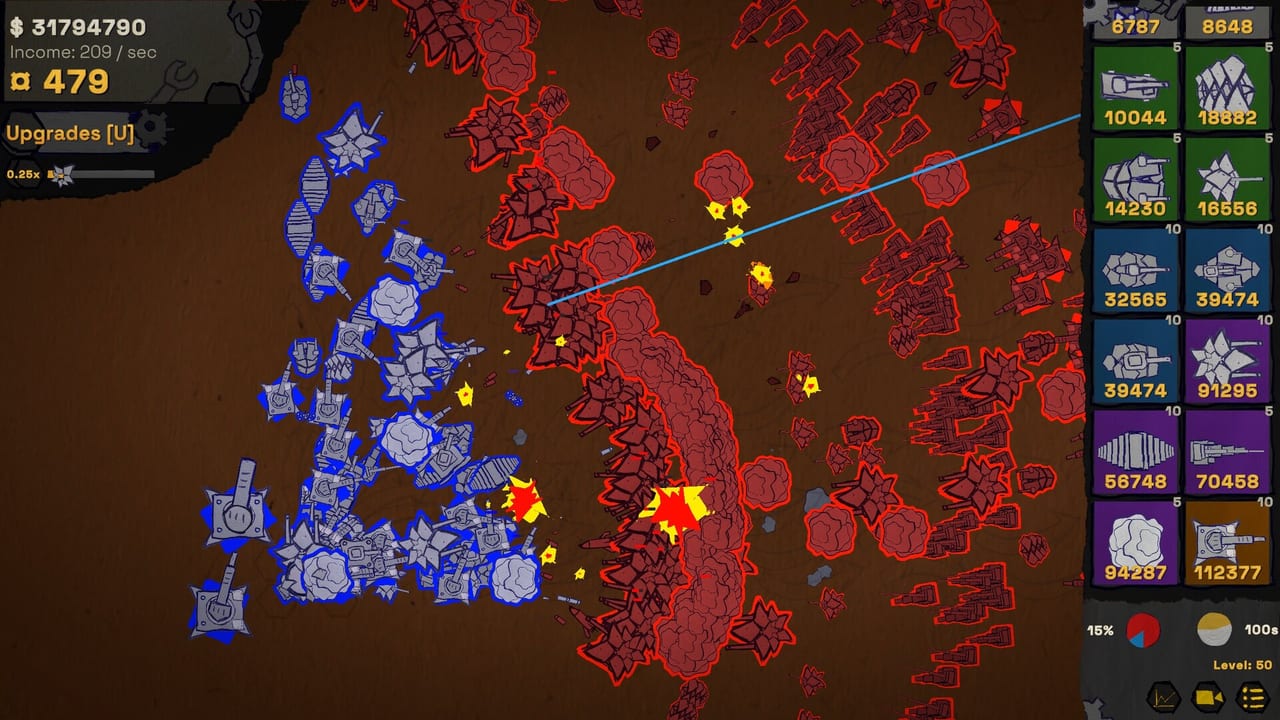
This hub is the map of Incremental RTS unit strength and army identity. The game is a semi-idle incremental RTS from Dyrkabes Games: you buy factories and upgrades, then watch auto-battles resolve without micro. Ranking units is less about a frozen S–F ladder and more about arrival speed, production rate, survivability on the approach, and how upgrades keep early units relevant when mega tanks and dual-range flyers unlock.
Use these pages beside the Steam or itch.io builds. Balance shifts across itch posts through September 2026 and the November 24, 2026 Steam launch, so treat every ranking as guidance tied to role—not a permanent meta decree.
Start here
- Mosquito vs Woodlouse — the classic early comparison: flying frontline spam versus high-HP ground that can die before it arrives.
- Army Builds — swarm, artillery, sniper, tank, mega, and mixed paths, including units like Swallow, Bamboo, and Big Bertha / Monolith.
For onboarding and economy context, pair this hub with How to Play, Getting Started, the Economy Guide, and the Upgrades Guide. When a run collapses, Death and Progression explains what carries forward.
How we rank units
Incremental RTS does not reward APM. Your decisions are which factories to fund, which upgrade branches to open, and when to bank income for the next production spike. A unit that looks weak on raw HP can dominate if it reaches the frontline first and replaces itself faster than the enemy can clear it. A unit with huge health can underperform if travel time eats the fight.
Criteria this hub uses:
- Time-to-frontline — flying and fast movers (Mosquito, Hummingbird, Swallow) pressure earlier lanes.
- Throughput — ants and plant lines that flood volume when factories multiply.
- Role coverage — artillery and snipers (Thistle / Thorn / Reed, Bamboo, Big Bertha) solve range problems swarms cannot.
- Soak and absorb — Woodlouse, crabs, and heavy tanks read well on the stats screen for damage absorbed, but only if they arrive alive.
- Late synergies — Steam’s design promise is that early units stay relevant through later hooks; do not retire a line just because a mega unit unlocked.
Open the in-game statistics screen to see damage dealt and absorbed per unit type. Unlock the enemy overview upgrade, then double-click the enemy base when you need a clearer read on what you are fighting. Those two tools beat guesswork when you rewrite a factory mix mid-level.
Archetypes at a glance
| Archetype | Signature units | What it solves | Failure mode |
|---|---|---|---|
| Swarms | Mosquito, Ants, early flyers | Frontline occupancy, replaceability | Thin DPS vs armored bases |
| Artillery | Bamboo, Big Bertha / Monolith | Long reach, base pressure | Slow, vulnerable if unprotected |
| Snipers / plants | Thistle, Thorn, Reed | Precision and lane control | Needs screen of cheap units |
| Tanks / soak | Woodlouse, Crab, heavies | Absorb and push | Travel time, air gaps |
| Mega / super heavy | Late mega tanks | Breakthrough | Cost spikes, slow pivots |
| Dual-range flyers | Swallow, Hummingbird | Full-map pressure | Timing and upgrade investment |
No single row wins every map. Enemy surges, walls, turrets, and waypoint defenses from later itch updates punish one-note armies. Mixed builds on the Army Builds page show how to layer a screen, a damage core, and a finisher.
Early game vs late game value
Early factories teach you that production and arrival often beat paper HP. Community and developer discussion around Mosquito versus Woodlouse made that trade-off famous: Mosquito’s speed, flight, and replaceability held the line, while Woodlouse’s exceptional health still left it dying on the walk-up. Read the deep dive before you dump every coin into a single “tanky” factory.
Late game adds Swallow’s dual-range rocket pressure, mega tanks, and upgrade trees with hundreds of nodes (300+ at full release). The tier question becomes: which early lines still receive synergy upgrades, and which new factories actually change the battle shape? Keep checking the stats screen after each surge—damage absorbed by a Woodlouse wall means little if Mosquitoes and Swallows are doing the kills that win the base fight.
How to use this hub with tools
Before you commit to a expensive factory, estimate wait time with the Factory Calculator and keep Controls open if you are on browser or a new keyboard layout. Official channels and community links live on the Links Hub. Patch themes and Steam launch notes sit under Updates.
Practical checklist
- Identify the map pressure: air, walls, long lanes, or surge density.
- Pick a primary archetype and one support role—not five half-funded factories.
- Fund upgrades that multiply your primary’s production or arrival, then fill gaps.
- After a failed assault, read stats, adjust the mix, and only then buy the next mega line.
- Cross-check progression goals in Guides so factory spending matches your reset and coin plan.
This Units Hub will grow as more specialized lists land. For now, master the Mosquito–Woodlouse lesson, then branch into the army archetypes that match your favorite upgrade path.
Frequently Asked Questions
Quick answers to the most common questions.
Is there a fixed S-tier list for Incremental RTS?
No permanent global ladder. Rank by role: arrival speed, production, soak, and late synergies. Balance moved through 2026 itch updates and the November 24, 2026 Steam launch.
Which page should beginners open first?
Read Mosquito vs Woodlouse for the early trade-off, then Army Builds for archetypes. Pair with Getting Started and How to Play for controls and first factories.
Do early units become useless later?
Steam marketing and design notes emphasize that early units stay relevant through later synergies. Keep funding lines that still show damage on the stats screen.
How do I scout enemy unit composition?
Unlock the enemy overview upgrade, then double-click the enemy base. Combine that with the statistics screen for damage dealt and absorbed.